LabCore Materials
Three-Point Pressing Solid-State Battery Test Mold
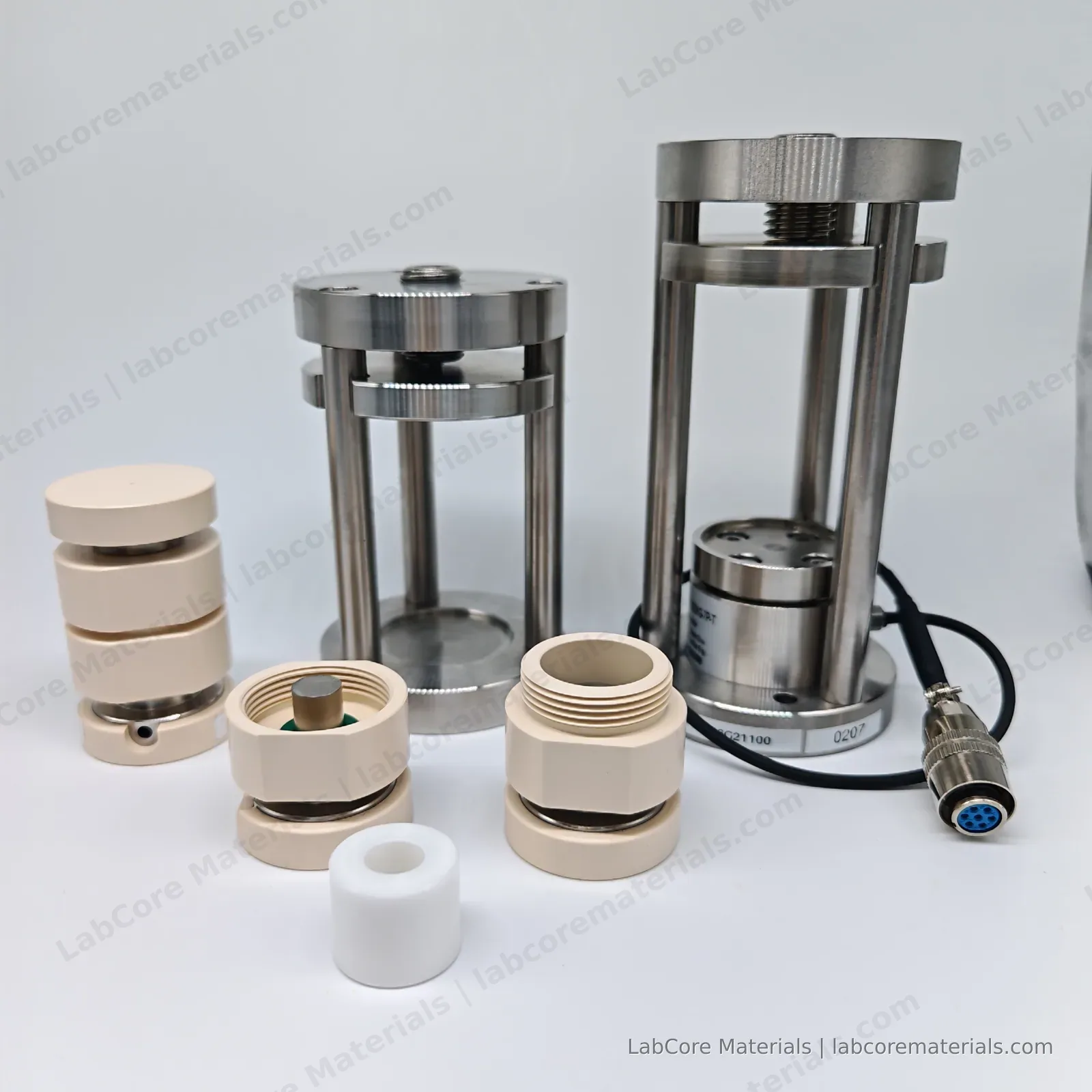
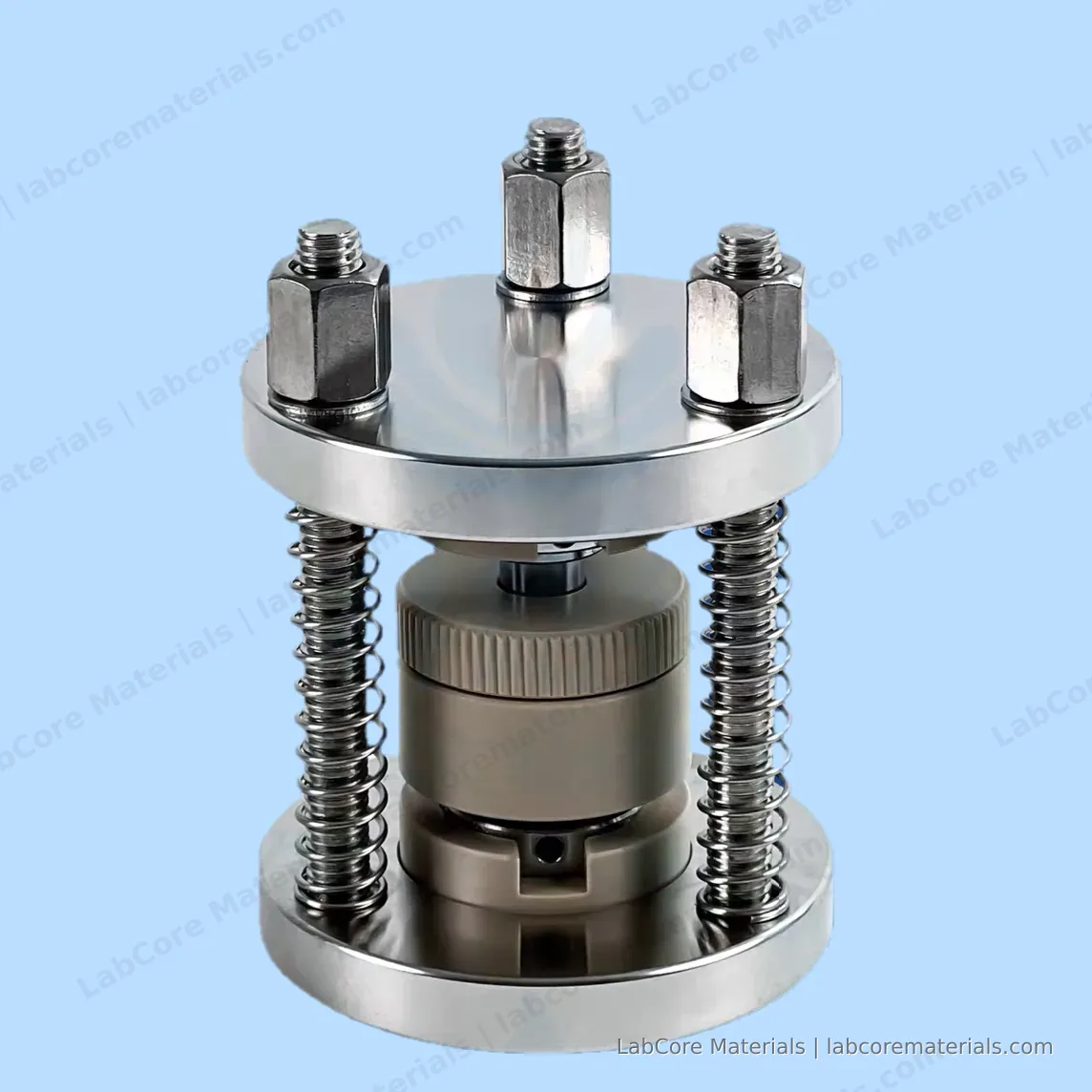
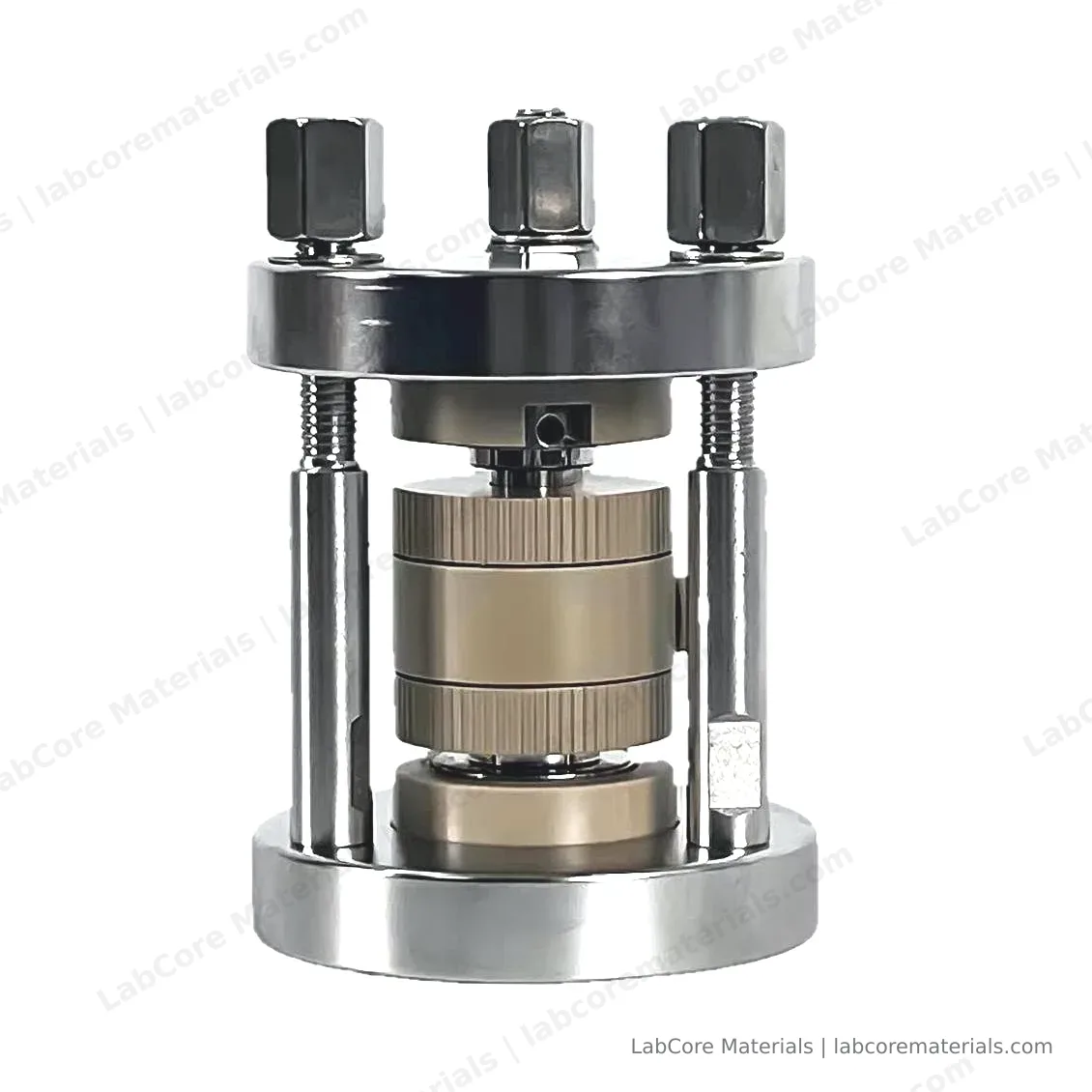
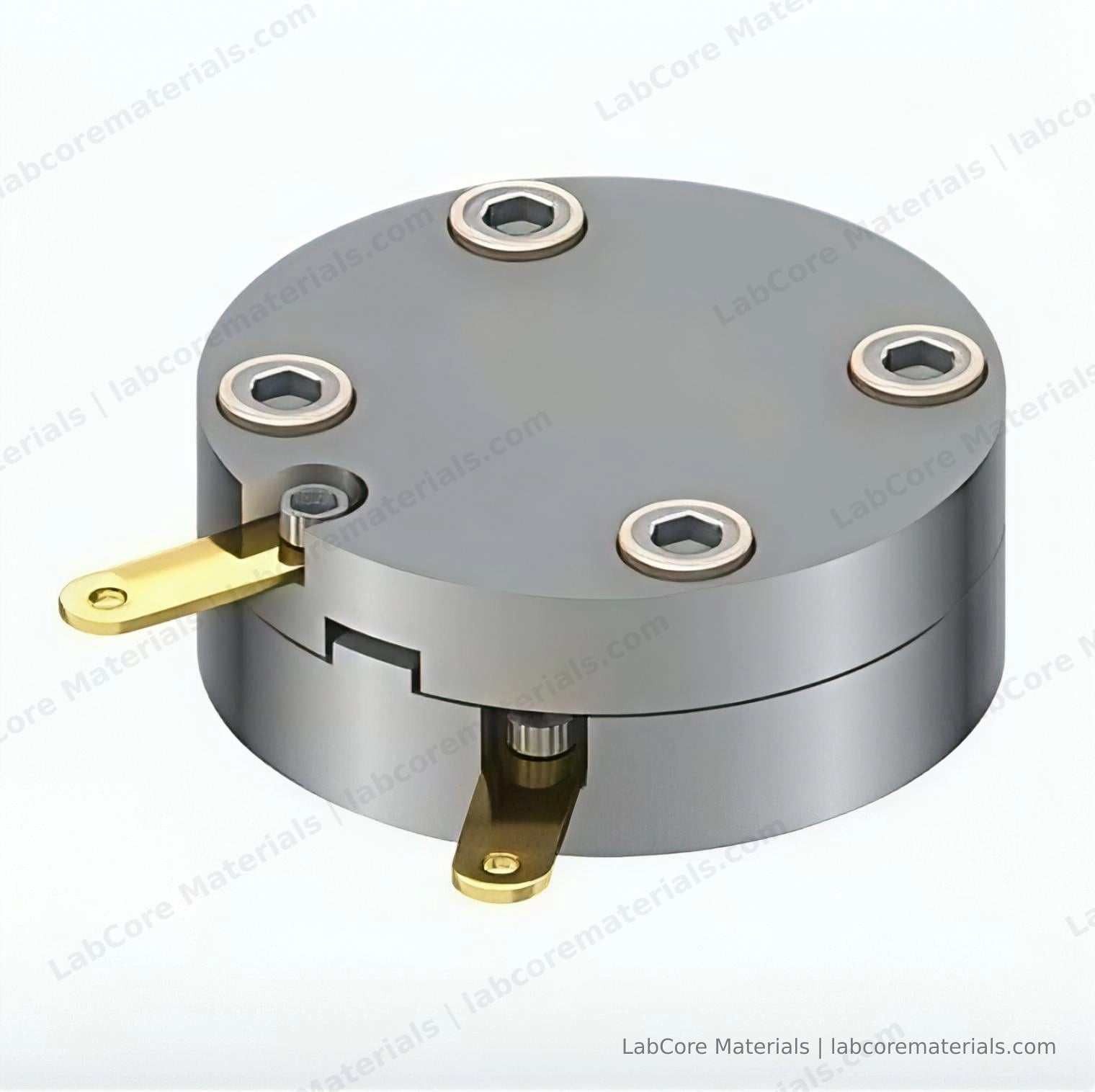
Three-point pressing + PEEK-ceramic composite, dual-seal split-cell design; choose the mechanical or sensor-equipped variant on the same page for the full solid-state workflow from powder to conductivity testing.
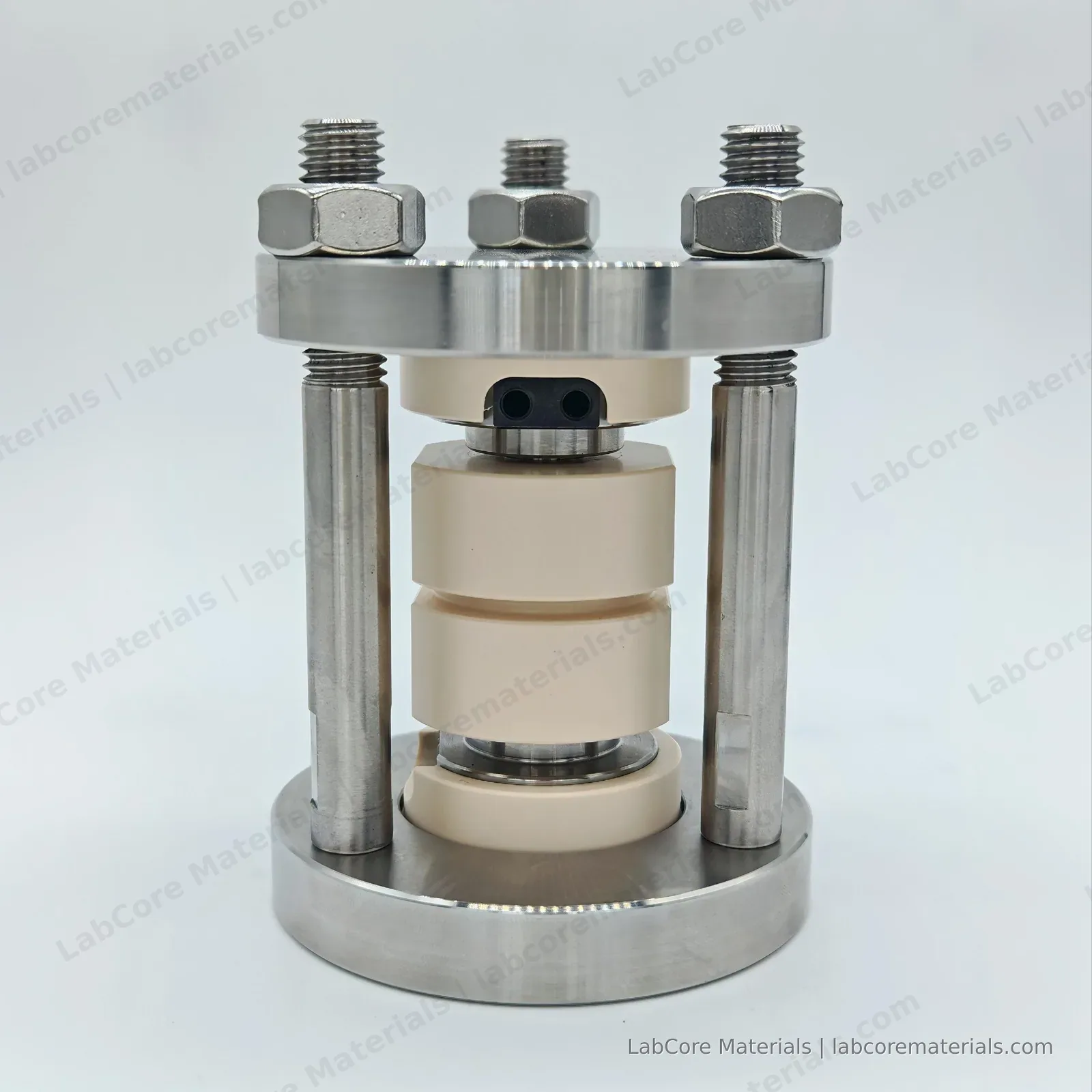
This is a three-point pressing solid-state battery test mold for research groups that need uniform compression and a clear upgrade path to quantitative force monitoring. Unlike single-axis pellet dies, the three-point locking geometry distributes stack force more evenly across the electrode/electrolyte interface — a practical advantage when working with brittle oxide electrolytes, thin lithium-metal foils, or pressure-sensitive sulfide pellets.
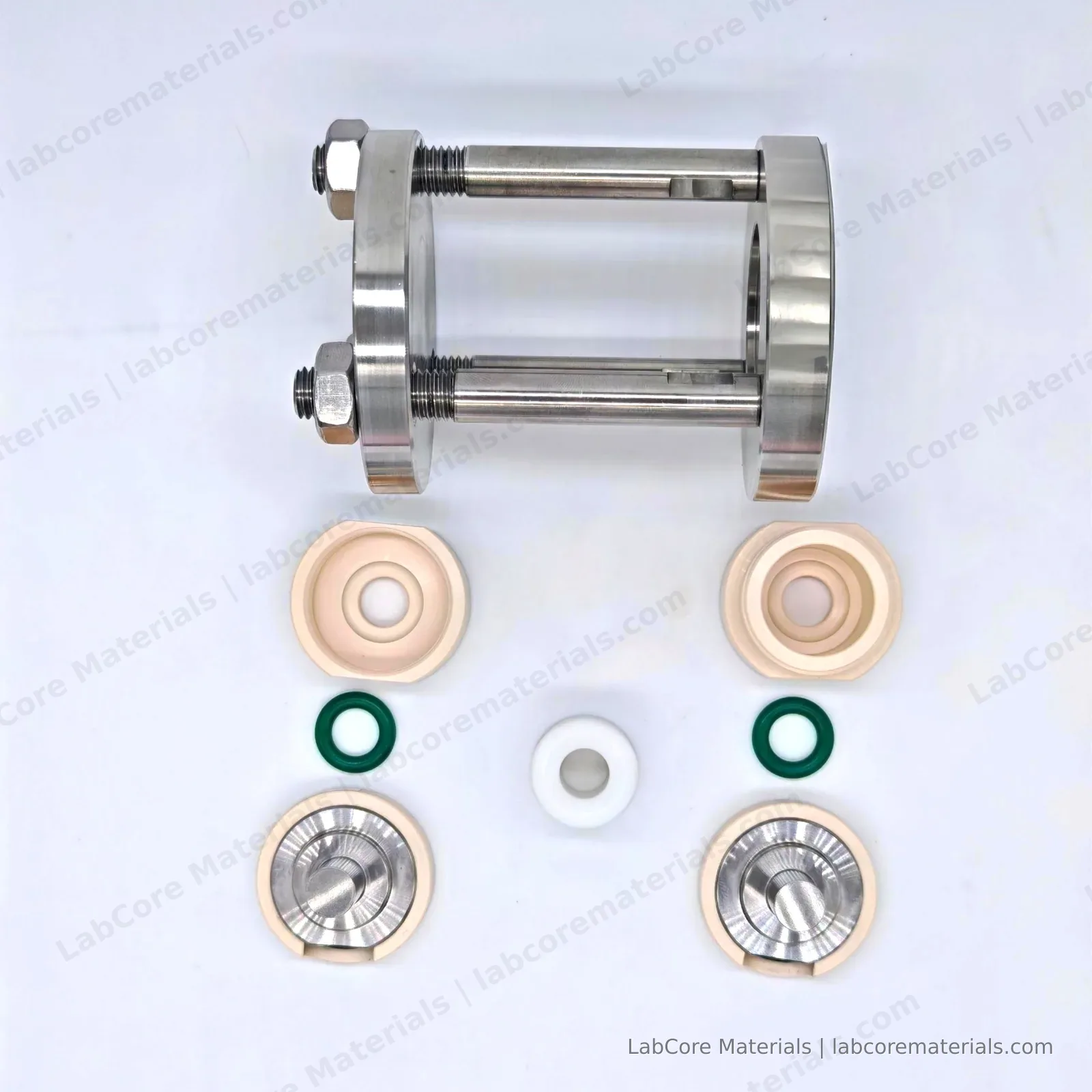
The mold body uses a PEEK-ceramic composite core reinforced with alloy-steel structural parts. This combination gives you the electrical insulation and chemical inertness needed for electrochemistry, together with the mechanical strength to reach 5 T of pressing force. The standard φ10 mm cavity covers the most common lab sample sizes, and the compact Φ36×62 mm mold body fits comfortably inside gloveboxes and environmental chambers.
This product page offers two SKUs:
- MOL5A100A-STD Standard: pure mechanical, manual operation — no wiring, no software, just consistent pressing for budget-sensitive and training workflows.
- MOL5A100A-PS1 With Sensor: integrated high-precision load module and PLC-based intelligent control, with optional 500 kg or 1000 kg sensor ranges, giving you automated and repeatable force control for mechanistic studies and process development.
Order / Quote
| Model | Pack | Price | Action |
|---|---|---|---|
| MOL5A100A-SSShips from ShenzhenShips in 2–5 business days | Three-Point Pressing Solid-State Battery Mold, Standard1× three-point pressing solid-state battery mold | $449.00Reference price · volume pricing on request | |
| MOL5A100A-SS-PS1Ships from ShenzhenShips in 2–5 business days | Three-Point Pressing Solid-State Battery Mold, With Pressure Sensor1× three-point pressing solid-state battery mold, pressure-sensor variant | $749.00Reference price · volume pricing on request |
Specifications
| Parameter | Value | Unit |
|---|---|---|
| Material | 陶瓷、PEEK、合金钢/陶瓷、PEEK、合金鋼/Ceramic、PEEK、Alloy steel | |
| Cavity Diameter | φ10 | mm |
| Mold Body Dimensions | Φ36 × 62 | mm |
| Mold Weight | 180 | g |
| Max Stack Force | 5 | T |
| Sealing | 双密封圈/雙密封圈/Double sealing ring | |
| Pressure Sensor | 500 / 1000 / 3000 / 5000 | kg |
| Max Temperature | 200 | °C |
Research on solid-state batteries, lithium metal anodes, sulfide/oxide/polymer solid electrolytes
Setup & Troubleshooting
- From Pellet Pressing to Mold Release: A Working Workflow for the Locking-Ring Solid-State Battery Test MoldWhy solid-state test fixtures are harder to live with than liquid cells — interface contact, pressure recording, glovebox handling — and how a locking-ring release design changes the daily workflow from pellet pressing to disassembly.
- Solid-State Battery Assembly Troubleshooting (Part 2): Common Assembly FailuresReal-time solid-state battery assembly troubleshooting for 5 common failures: electrolyte cracking, poor electrode contact, material spillage, uneven pressure distribution. Complete solid-state battery assembly guide.
- Solid-State Battery Assembly Troubleshooting (Part 1): Pre-Assembly ChecklistPrevent 90% of solid-state battery assembly failures with pre-assembly checks. Complete solid-state battery inspection guide: electrolyte integrity, electrode quality, testing equipment, and assembly troubleshooting tips.
Product Images
Shipping & Compliance
- Non-Amazon orders ship from our Shenzhen facility via DHL / FedEx — typically 5–10 business days in transit to the US and EU, with tracking. Bulk orders may go by air freight.
- Ships as empty hardware. No electrolyte, no lithium metal. Not classified as dangerous goods. Packaging dimensions to be verified against sample.
- Ships as empty hardware. No electrolyte, no lithium metal. Not classified as dangerous goods. Pressure sensor and PLC control unit require anti-shock packaging.